How to Build a Free Emergency Kit Using Samples and Deals
On it!
How to Build a Free Emergency Kit Using Samples and Deals
Building a solid emergency kit usually gets framed as a significant upfront purchase — a hundred dollars or more at a big-box store for a pre-assembled kit that may not even include the most useful items for your household. The reality is that most of what belongs in a well-stocked emergency kit is available through free sample programs, product testing platforms, and strategic deal-stacking, and building it gradually over a few months costs far less than the all-at-once approach most preparedness guides assume.
The key is treating emergency kit assembly as an ongoing sample collection project rather than a shopping trip. The categories you need — first aid supplies, hygiene products, non-perishable food, and basic household essentials — are exactly the categories that brands sample most aggressively. With the right platforms active and a system for organizing what arrives, you can build a genuinely useful kit without spending anywhere near what a comparable pre-made version would cost.
First Aid Supplies Through Sample Programs
First aid items are among the most consistently sampled healthcare products available, primarily because brands like Band-Aid, Neosporin, Advil, and Tylenol use sampling as their primary trial channel for converting occasional buyers into loyal regular purchasers. That dynamic works directly in your favor when you’re building a kit.
PINCHme regularly includes pain relief products, wound care items, and health essentials in its monthly sample drops. Recent boxes have included Advil single-use packets, Band-Aid Hydro Seal blister pads, and Theraflu powder packets — exactly the kind of first aid supplies that belong in an emergency kit and that stack up meaningfully when you receive them consistently over several months. Completing your health profile on the platform increases your matching probability for medical and healthcare products significantly.
Influenster runs VoxBox campaigns for healthcare brands including Bayer, Johnson & Johnson, and Pfizer consumer health products that have historically included full-size over-the-counter medications, wound care products, and health monitoring supplies. Maintaining an active Influenster profile with your health preferences completed puts you in the selection pool for these campaigns when they run. The cold and flu season window, typically September through November, generates the highest volume of healthcare product sampling campaigns across most platforms.
Shopper Army runs healthcare product missions periodically, including recent campaigns for Advil, Robax muscle and back relief products, and various first aid brands. These missions typically ship a full-size product directly or provide a rebate for a Walmart purchase, both of which result in a usable first aid item at no cost. Checking Shopper Army’s available missions weekly and completing your health and wellness profile ensures you don’t miss relevant campaigns when they open.
For building out the first aid section more deliberately, Hunt4Freebies tracks active free sample requests directly from brand websites, and the healthcare category on that site regularly surfaces sample requests for pain relievers, bandages, topical treatments, and cold and flu products directly from manufacturers. These direct brand samples are often more generous in size than what platform sample boxes include, and they arrive within a few weeks of the request.
Hygiene Kit Items That Brands Give Away Regularly
A functional emergency hygiene kit needs toothpaste, toothbrushes, hand sanitizer, soap, feminine hygiene products if applicable, and basic personal care items. Every one of those categories is actively sampled by multiple brands, and the hotel and travel-size versions that are perfect for an emergency kit are exactly what most sample programs distribute.
Colgate’s sampling portal periodically offers free toothpaste samples directly through their site, and these requests take less than two minutes to complete. Sensodyne maintains a near-permanent free sample program for their sensitive toothpaste that ships a usable trial-size tube at no cost. Between these two brands alone, building a toothpaste supply for an emergency kit through periodic sample requests is entirely achievable.
PINCHme and SampleSource both include personal hygiene products across most of their sample distributions — recent boxes have included Dove body wash packets, Secret deodorant, and hand sanitizer varieties from Purell and competing brands. SampleSource ships three times per year and consistently includes hygiene products in volumes useful for kit-building, particularly in the spring and fall distributions. A completed personal care profile on both platforms maximizes your access to hygiene-category products when they’re available.
For feminine hygiene specifically, Always and Tampax both run free sample programs through their websites for pads and tampons, and P&G Good Everyday provides points redeemable for free P&G products including both brands. Requesting samples from multiple brands across a few months builds a meaningful emergency supply of feminine hygiene products without any cash outlay.
Hand sanitizer and soap samples are heavily distributed through Shopper Army during cold and flu season and through general sample platforms year-round. Purell has run direct sample programs periodically through their website, and checking Freeflys during the September-to-November window consistently surfaces active hand sanitizer and soap sample opportunities from multiple brands simultaneously.
Non-Perishable Food and Pantry Staples
The food component of an emergency kit benefits most from a long-term approach, collecting shelf-stable items across several months through food sample programs and cashback apps that effectively make certain pantry items free. The categories most useful for emergency food storage — protein bars, nut butters, shelf-stable soups, instant oatmeal, snack items, and drink mixes — are among the most actively sampled food products available.
Social Nature is one of the most productive platforms for free food samples specifically. Their product lineup includes shelf-stable proteins, granola and snack bars, specialty nut butters, plant-based soups, and nutritional supplements, all shipped free in exchange for an honest review. Recent Social Nature offerings have included RXBAR protein bars, Justin’s nut butter packets, Pacific Foods soups, and various granola and trail mix products — every one of which contributes meaningfully to an emergency food supply. Completing your dietary preferences and health profile on the platform increases matching accuracy for food products significantly.
Influenster has run food product VoxBox campaigns for brands including Quaker, Nature Valley, Clif Bar, and Campbell’s that have delivered multi-product boxes with combined retail values exceeding $20. For emergency kit purposes, snack bars and shelf-stable food products from these campaigns represent exactly the kind of calorie-dense, portable food that belongs in an emergency kit. Following Influenster’s social channels often surfaces information about upcoming food campaigns before they fill, giving you a better chance of selection.
Fetch Rewards and Ibotta both offer cashback on grocery purchases including shelf-stable foods, and both run periodic promotions where specific products are available at full rebate — meaning you buy the item, submit the receipt, and get the full purchase price back as points or cash. Running both apps simultaneously and watching for full-rebate offers on shelf-stable proteins, canned goods, drink mixes, and snack bars converts grocery shopping into emergency kit building at no net cost. The Ibotta app in particular runs “any brand” offers on specific product categories that apply to whatever version of that product you buy, which makes stocking up on full-rebate canned soups or protein bars straightforward and genuinely free.
Water and Hydration Supplies
Hydration is the most critical component of any emergency kit and the one where free sample opportunities are less abundant than other categories. That said, several meaningful options exist that reduce the cost of the hydration section considerably.
Liquid IV runs periodic free sample programs through their website where you can request single-serving hydration multiplier packets at no cost. While a single packet is a modest contribution to an emergency kit, requesting samples multiple times across different promotional windows and collecting contributions from multiple hydration brands builds a meaningful supply of electrolyte supplements over time. Nuun and Pedialyte both offer sample programs through their websites and through platforms like PINCHme that have included electrolyte tablets and drink mixes in their sample distributions.
Social Nature has included hydration products including coconut water brands, electrolyte mixes, and sports drink powders in their platform offerings. For emergency kit purposes, shelf-stable electrolyte packets are particularly valuable because they last well and address the dehydration risk that plain water storage alone doesn’t fully cover.
Water storage itself requires purchasing — water pouches and water purification tablets are available from emergency preparedness retailers including Ready.gov’s recommended suppliers, and these categories occasionally surface discount codes through emergency preparedness communities. Emergency Essentials and similar retailers run seasonal sales on water storage products where pack prices drop significantly, making bulk acquisition more affordable even when free samples aren’t available in this specific category.
Batteries, Flashlights, and Utility Items
Household utility products including batteries, flashlights, and basic tools show up less frequently in sample programs than food and personal care items, but meaningful free options exist for the most critical items.
Energizer and Duracell both participate in product testing programs and have run sampling campaigns through platforms including Shopper Army and BzzAgent that have distributed battery packs for review. These opportunities aren’t as frequent as food or personal care sampling, but following Freeflys consistently surfaces them when they do appear. BzzAgent has historically run household product campaigns including flashlights and battery-powered devices, and registering with a complete household profile keeps you in the selection pool for these campaigns when they run.
Honey and Capital One Shopping automatically apply coupon codes at checkout for retailers including Amazon, Target, and Home Depot, where emergency supplies like batteries, flashlights, and basic first aid kits are sold regularly. Stacking these automatic coupon tools with cashback through Rakuten reduces the purchase cost on utility items that genuinely can’t be covered through free sample programs alone.
Organizing What You Collect Into a Functional Kit
The practical challenge of building an emergency kit through samples is organization — items arrive at different times in different sizes, and without a system they end up scattered across the house rather than assembled into something usable.
- Designate a dedicated storage container specifically for incoming samples that are destined for the emergency kit before the kit is complete
- Use a simple checklist of the categories you’re building toward to track what’s arrived and what you still need, which prevents accumulating multiples of some items while missing others entirely
- Prioritize items with longer shelf lives — shelf-stable food, unopened personal care products, and sealed medical supplies — for the emergency kit while using shorter-shelf-life samples in your regular routine
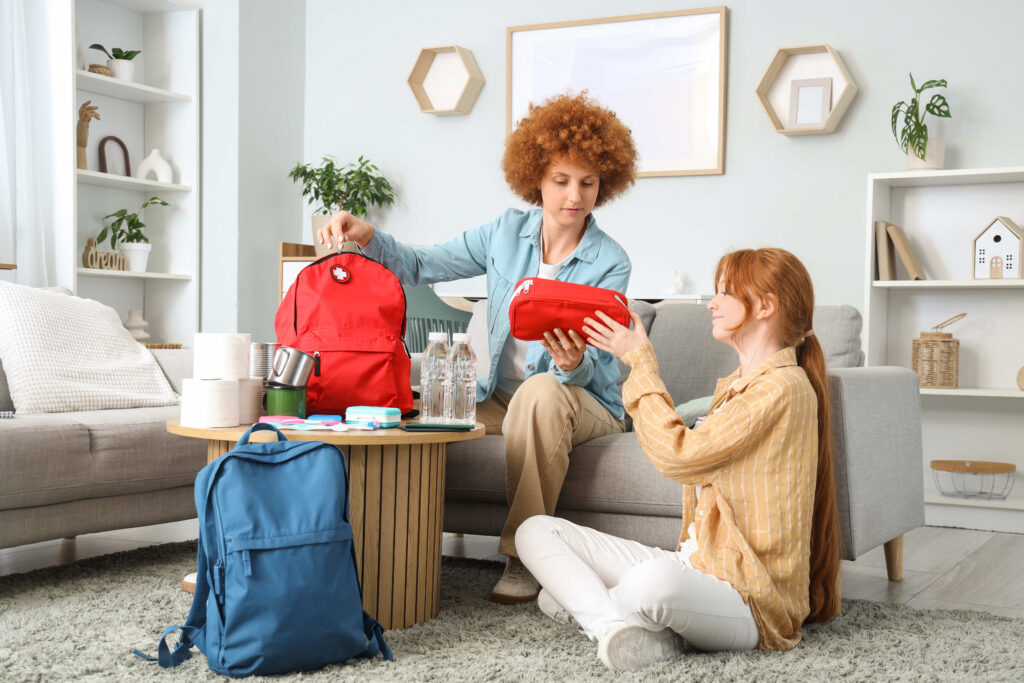
- Once you’ve collected sufficient items across all categories, consolidate everything into a single waterproof container or bag stored in an accessible location and labeled clearly for household members
The total timeline for building a reasonably complete kit through samples and deals is typically three to six months of consistent engagement with the platforms and programs above. The result isn’t identical to a $150 store-bought preparedness kit in every respect, but it covers the core categories — first aid, hygiene, food, hydration, and basic utilities — at a fraction of the cost, and the items included are products you’ve specifically selected and verified rather than generic inclusions you might not use.
Sources: