
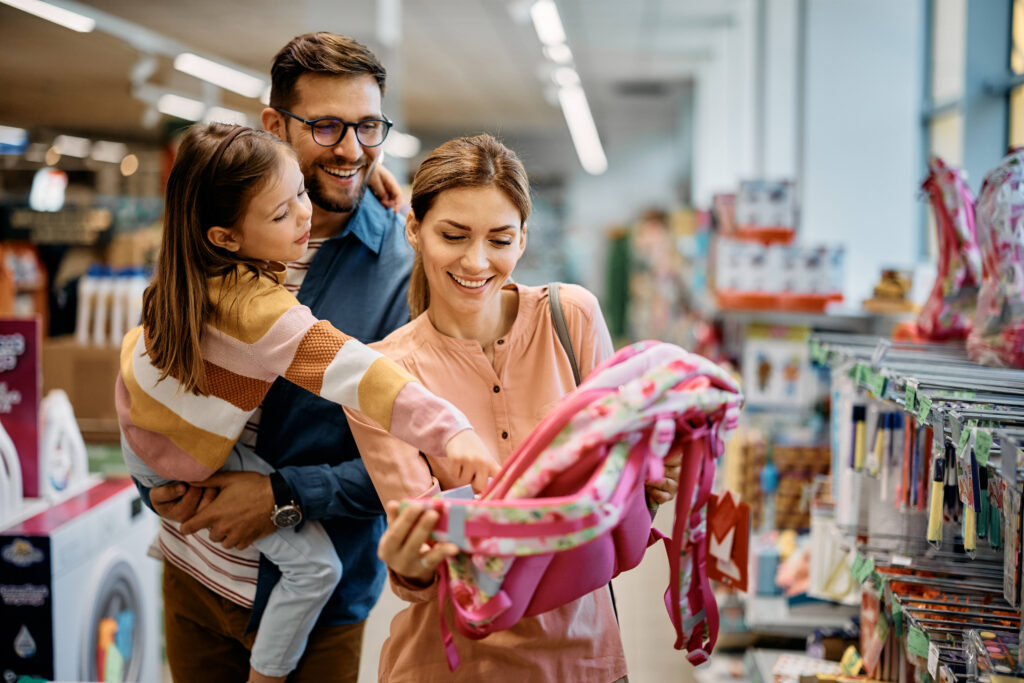
Free Back-to-School Supplies: How to Stock Up Without Spending a Dime
Back-to-school shopping can get expensive fast, especially when the list keeps growing from folders and crayons to tissues, headphones, and classroom extras. The good news is that families who know where to look can often cut those costs way down with a mix of free supply programs, coupon offers, rewards apps, and sample platforms that deliver real value instead of vague money-saving advice.
The Best Places to Look for Free Back-to-School Supplies First
The fastest way to save money is to start with sources that regularly connect families to actual products instead of generic shopping tips. Community drives, nonprofit programs, and school district events often offer the biggest payoff because they distribute full-size backpacks, notebooks, pencils, and hygiene basics in one visit. Organizations connected to food banks, churches, and neighborhood outreach groups often post their seasonal events on local pages long before many parents realize those programs are available. Checking sites like Feeding America can help you locate food banks and partner organizations in your area, and many of those groups promote school-supply drives during summer and early fall. The Salvation Army is another strong place to watch for local backpack and supply distributions, especially in cities where branches run annual school readiness events.
Retail and deal-tracking sites are the next place to focus because they help you find free-after-coupon and free-after-rebate supply offers before they disappear. Krazy Coupon Lady and Free Stuff Finder are useful because they frequently gather store promotions, app rebates, and limited-time freebies into one place. Instead of searching every major retailer manually, you can use those sites to spot when glue sticks, folders, pens, or notebooks drop to extremely low prices or become free once rewards and rebates are factored in. That matters because the best back-to-school deals are usually short-lived, and a lot of the value comes from timing rather than from any one source.
How to Turn Small School Supply Deals Into Zero-Cost Wins
Families often miss the best savings because they treat each coupon or promotion as a separate opportunity. The real value usually comes from layering offers together. When a store runs a sharp weekly sale, a coupon site provides a manufacturer discount, and a cashback app adds another rebate, everyday supplies can end up costing almost nothing. This works particularly well on basics like pens, pencils, index cards, crayons, tissues, and lunchbox items that tend to appear in summer promotions.
A smart place to start is Coupons.com, which still features printable and digital offers from major brands. Those coupons can often be paired with app-based rewards from Ibotta or receipt scanning from Fetch. For example, if you buy a discounted pack of snacks for lunches or household paper products that teachers request for classrooms, the shelf price may already be reduced, and then the coupon or rebate brings the final cost down further. It is not unusual for a family to chip away at the broader back-to-school budget this way, because every dollar saved on lunchbox snacks, tissues, disinfecting wipes, or soap can be redirected toward supplies that do not go on sale as often.
What makes this strategy especially useful is that it goes beyond the standard list. A lot of classroom spending happens around the edges, with hand sanitizer, cleaning wipes, pantry items for lunches, and small add-ons draining the budget. Combining sale prices with offers from Coupons.com, Ibotta, and Fetch can free up cash for the less flexible parts of the shopping list.
Where Sample Sites Can Add Real Value During Back-to-School Season
Sample sites are not just for beauty products or novelty freebies. They can be useful when back-to-school shopping overlaps with grocery costs, household restocking, and personal care needs. If a family can get free or discounted snacks, wellness products, toothpaste, or lunchbox items, that savings has the same practical effect as finding discounted paper and pencils. It creates breathing room in the budget.
PINCHme is worth watching because it offers product samples that can include food, household goods, and personal care items, depending on what campaigns are live. Social Nature can also be valuable for families looking to try better-for-you snacks, pantry staples, and household products with discounts or free item opportunities attached. While these platforms may not hand out a backpack full of school supplies, they can help reduce the total cost of the season by covering items you would otherwise buy at the store while prepping lunches and daily routines.
This matters more than most people think. Back-to-school spending is rarely limited to notebooks and binders. It includes the whole routine reset: quick breakfasts, lunchbox snacks, after-school drinks, toiletries, and things that make the home schedule easier. If those items come from a sample box, a coupon-driven trial, or a product testing campaign, the savings still count. Families who approach the season this way tend to get more mileage from freebie sites because they are measuring value across the whole household, not just one aisle of the store.
Why Local Events Often Beat National Promotions
National promotions get more attention online, but local events often deliver the most immediate value. Community backpack giveaways, library resource fairs, school registration days, and nonprofit school-supply events usually offer the kind of direct help families actually need. Instead of chasing a series of tiny deals, one local event can cover folders, writing supplies, calculators, crayons, and basic hygiene products all at once.
Libraries are especially overlooked. Many public libraries run summer reading programs and family events that include school supply incentives, children’s activity kits, and educational freebies. Community centers also partner with sponsors that donate supplies in bulk. These programs may not always be advertised on the first page of a search result, which is why checking city event calendars, school district notices, and neighborhood groups can uncover better opportunities than major national sites. Parents who check these sources early usually have the best shot because many events operate on a first-come basis.
Neighborhood groups can be useful too, especially when parents share information about supply distributions, teacher wish-list swaps, and free item tables. The biggest advantage of local freebie events is that they are usually tied to real community needs. That means the products are practical, the pickup is simple, and the value is immediate.
A Better Approach Than Buying Everything at Once
One of the most effective ways to avoid overspending is to stop treating back-to-school shopping like a single trip. Families often spend too much because they feel pressure to finish the entire list in one day, even when better deals will appear over the next few weeks. A more useful strategy is to divide the list into categories: items you can likely get free, items you can discount heavily, and items you should buy only after checking local programs or reward offers.
That approach helps you act on high-value opportunities first. Supplies with frequent promotions, like notebooks, pens, folders, glue, and crayons, should usually be the last things you pay full price for. Household and lunch items should be paired with rebate apps and sample offers. Higher-cost items like calculators, headphones, or specialty classroom materials deserve a separate search through local donation drives, school swap groups, and teacher resource pages before you spend out of pocket.
Here is a simple way to prioritize the hunt:
- Check local backpack and supply giveaway events before shopping retail
- Use Krazy Coupon Lady and Free Stuff Finder to track weekly school supply deals
- Match store sales with offers from Coupons.com, Ibotta, and Fetch
- Watch PINCHme and Social Nature for food, household, and personal care samples that reduce overall back-to-school costs
- Recheck your list before buying anything at full price because many basics cycle through promotions every week
This kind of system is more effective than one big shopping trip because it keeps you focused on actual value. You are not just hoping to save money. You are using the season’s best free and low-cost channels in the order that gives you the biggest return.
Back-to-School Savings Table: Where Each Type of Offer Helps Most
| Resource Type | Best For | What You Can Expect |
|---|---|---|
| Local nonprofit events | Backpacks, notebooks, pencils, hygiene items | High-value bundles with immediate pickup |
| Deal-tracking sites | Sale alerts, free-after-rebate offers | Fast access to the best weekly promotions |
| Coupon platforms | Branded school, lunch, and household items | Printable and digital discounts |
| Cashback apps | Snacks, tissues, soap, pantry items | Rebates after purchase that reduce final cost |
| Sample platforms | Food, personal care, household basics | Free trials or discounted items that free up budget |
This is where families can get the most strategic. A nonprofit event may take care of the backpack and several core supplies. Deal sites can help with folders and pens. Coupon and cashback tools can cut grocery-adjacent costs. Sample sites can handle lunchbox extras or personal care items. Instead of forcing one source to do everything, you let each one cover the category where it is most useful.
How to Build a Repeatable System That Pays Off Every School Year
The most valuable part of freebie hunting is not the random score. It is building a repeatable process that gets easier every year. Families who save the most usually have a rhythm in place by early summer. They follow a few trusted deal sites, keep reward apps active, scan community announcements, and stay subscribed to programs that regularly release samples or seasonal offers. Once that system is in place, the work becomes lighter because the best opportunities start coming to you through alerts, emails, and store app notifications.
A separate email address for freebies and coupons can make this much easier to manage. That keeps your main inbox from filling up, while still giving you one place to track offers from Coupons.com, Ibotta, Fetch, PINCHme, and Social Nature. It also helps you stay ready for local event signups, which can fill fast. Over time, the biggest advantage is not just the products you get for free. It is the ability to avoid impulse spending because you already know where the real value is coming from.
The Bottom Line on Finding Free School Supplies
The best back-to-school savings come from combining direct help with smart deal stacking. Families who focus only on store shelves often end up paying more than they need to, while those who look at local giveaways, nonprofit programs, coupon tools, cashback apps, and sample sites can cover a surprising amount of the season’s costs without emptying their wallets. The real win is not chasing random freebies. It is using the right resources in the right order so each one leads to another layer of savings.
When you treat back-to-school shopping as a value hunt instead of a one-day expense, the list starts to look a lot less intimidating. A backpack giveaway can replace one purchase. A rebate app can shrink another. A sample platform can trim grocery costs. Together, those small moves can make a big difference, especially when budgets are already stretched thin. The families who get the most out of the season are usually the ones who know that free school supplies are not a myth. They are just easier to find when you know where to click first.
Sources
Feeding America
The Salvation Army
Krazy Coupon Lady
Free Stuff Finder
Coupons.com